
Compare Local Contractors for Suspended Ceiling Installation Services
Compare local contractors for suspended ceiling installation to define scope, verify experience, and set clear expectations for a successful project.
Suspended ceiling installation typically involves hanging a secondary ceiling below the existing structural ceiling to improve aesthetics, conceal ductwork or wiring, and enhance acoustics within a space. This work includes measuring and planning the layout, selecting appropriate materials such as tiles or panels, installing support frameworks, and securely attaching the ceiling components. Proper installation requires attention to detail to ensure the ceiling is level, stable, and visually appealing, making it important to work with experienced service providers who understand the specifics of suspended ceiling systems.
Defining the scope of a suspended ceiling project is essential for establishing clear expectations and ensuring the work meets the property owner’s needs. A well-defined scope covers aspects such as the size of the area, the type of ceiling materials, any necessary modifications to existing structures, and the integration of lighting or ventilation elements. Clear documentation of these details helps prevent misunderstandings, guides the selection of appropriate contractors, and provides a basis for comparing different service providers based on their experience and approach to similar projects.
When evaluating local contractors for suspended ceiling installation, property owners should consider several factors to make informed comparisons. Reviewing each contractor’s experience with similar projects can reveal their familiarity with different ceiling systems and complexities. It’s also helpful to verify the scope of work they typically handle, ask about their process for planning and communication, and confirm that their services align with the defined project requirements. Gathering details about their approach to project management and requesting written proposals can further assist property owners in choosing a contractor who can deliver quality work in accordance with the established scope.
Compare local contractors by outlining project priorities, verifying experience, and setting clear expectations in writing.
- Compare Contractor Credentials - Review the experience and reputation of local contractors to ensure reliable suspended ceiling installation.
- Define Project Scope Clearly - Specify the materials, design, and installation details to align expectations with service providers.
- Verify Experience and Past Work - Assess previous projects and expertise to select qualified contractors for your ceiling needs.
- Document Agreements in Writing - Ensure all project details, responsibilities, and expectations are confirmed through written agreements.

Clearly describing your suspended ceiling project helps compare local contractors, define scope, verify experience, and set expectations in writing.
- Verify experience with suspended ceiling installation projects similar in scope and complexity. - Ensure service providers clearly define the scope of work and materials included in the project description.
- Check references or reviews to assess the quality of previous suspended ceiling installations performed by the contractor. - Confirm that contractors have a consistent track record of reliable and professional work.
- Discuss and document project expectations, including design, materials, and finish details, in writing before work begins. - Clear communication helps prevent misunderstandings and sets proper expectations.
- Assess the contractor’s understanding of structural requirements and compatibility with existing building systems. - Proper integration ensures the suspended ceiling functions safely and effectively.
- Confirm that the contractor adheres to proper installation techniques to ensure durability and safety of the ceiling system. - Proper installation methods contribute to the longevity and performance of the ceiling.
- Compare multiple local contractors to evaluate their experience, scope definitions, and communication clarity. - Gathering multiple perspectives helps identify the most suitable service provider for the project.
Compare local contractors' experience and clarify project scope to ensure smooth suspended ceiling installation.
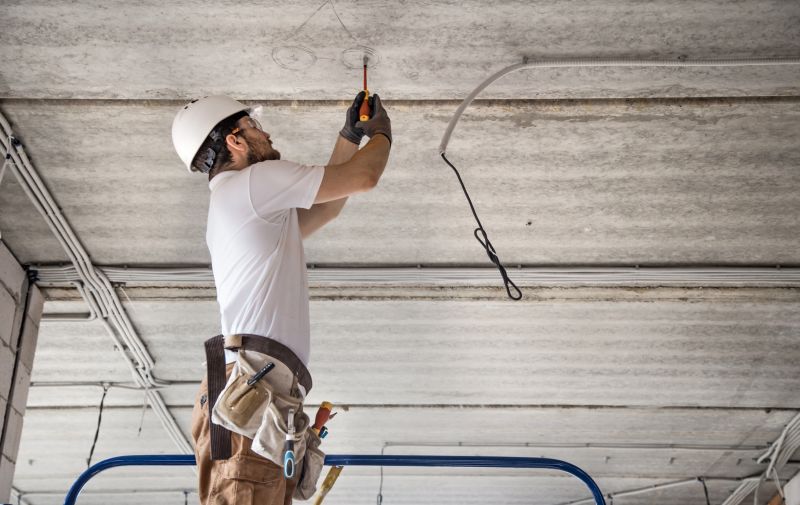

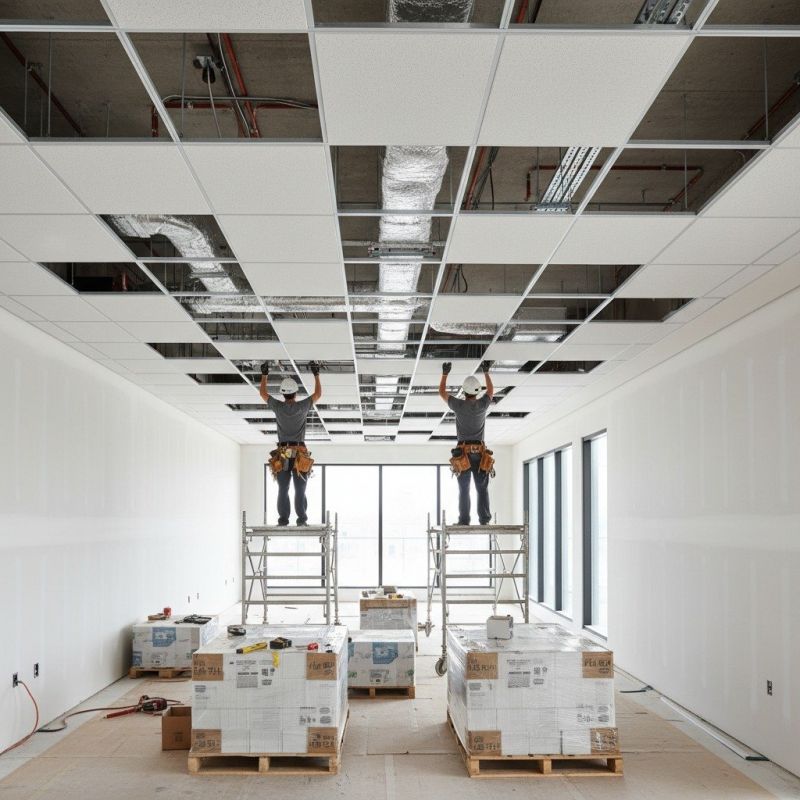

This section helps compare local contractors for suspended ceiling installation by clarifying scope, verifying experience, and setting clear expectations.
- Project Scope Definition - Clearly outline the specific areas and ceiling types to be installed or modified.
- Material and Finish Selection - Specify the types of suspended ceiling materials, finishes, and any custom details required.
- Experience and Past Work - Verify the experience of service providers with similar suspended ceiling installation projects.
- Scope Documentation - Ensure all project details, responsibilities, and expectations are documented in writing.
- Comparison of Service Providers - Assess local contractors based on scope clarity, experience, and ability to meet project requirements.
When comparing contractors for suspended ceiling installation, it is essential to consider their experience with similar projects. Service providers with a demonstrated history of handling ceilings in spaces comparable to the intended area can offer insights into potential challenges and effective solutions. Asking about past work and requesting references or examples of completed projects can help gauge their familiarity with specific ceiling types, materials, and installation techniques relevant to the scope of the current project.
A clear, written scope of work is a critical factor when evaluating contractors. A detailed description of the tasks, materials, and standards expected ensures that both parties have aligned expectations. This documentation should outline the extent of the work, any specific design considerations, and the materials to be used. Having a comprehensive scope helps prevent misunderstandings and provides a basis for assessing whether a contractor’s approach matches the project’s requirements.
Verification basics involve confirming that the service providers have the necessary experience and a track record of quality work. It’s advisable to review their portfolio, verify references, and inquire about their familiarity with local building codes or industry best practices. While licensing and certification are not the focus here, understanding a contractor’s background and reputation within the community can help identify those who consistently deliver reliable results and adhere to professional standards.
Evaluating options without focusing on prices involves assessing the quality of service and the clarity of proposals. When reviewing contractor proposals, look for detailed descriptions of the scope, materials, and methods they intend to use. Consider their communication style and responsiveness, as these can indicate their professionalism and willingness to understand your needs. Comparing how each service provider approaches the project, rather than just the cost, can help identify those who are best equipped to deliver a successful suspended ceiling installation aligned with your expectations.
Ask contractors to provide written scope details to ensure clear expectations and consistent project understanding.
- Experience and Qualifications - What specific experience do local contractors have with suspended ceiling installation projects similar to yours?
- Scope of Work - How do service providers define and clarify the scope of work to ensure all installation details are covered?
- Materials and Techniques - What materials and installation techniques do local contractors recommend for your ceiling type and environment?
- Project Expectations - How do local pros outline project expectations in writing to ensure clarity and agreement?
- Comparison Criteria - What factors should be considered when comparing different contractors’ approaches and service offerings?
What should I consider when comparing contractors for suspended ceiling installation? It's important to review their experience, clarify the scope of work, and ensure all project details are documented in writing to prevent misunderstandings.
How can I verify a contractor’s experience with suspended ceilings? You can ask for references, review past projects, or check their portfolio to assess their familiarity and skill with suspended ceiling installations.
Why is it helpful to define the scope of work in writing? Having a clear, written scope helps set expectations, minimizes miscommunication, and provides a reference point throughout the project.
What questions should I ask a contractor before hiring for suspended ceiling work? Inquire about their experience, the materials they recommend, the project timeline, and how they handle potential issues that may arise during installation.
How can I ensure a contractor is suitable for my specific suspended ceiling project? Review their previous work, verify their understanding of your needs, and confirm they can meet the project requirements effectively.
What is the benefit of comparing multiple contractors? Comparing different service providers allows for assessing their expertise, scope offerings, and professionalism to find the best match for the project.
By exploring the options available through trusted local contractors, visitors can gain a clearer understanding of the scope and experience needed for suspended ceiling installation projects. Comparing different service providers allows for better insight into their offerings and helps set clear expectations in writing, ensuring the project aligns with specific needs and preferences. Utilizing the quote form provides an easy way to connect with multiple local contractors, making it simpler to evaluate choices and find the right fit for the job.
Taking the time to define project details, verify the experience of service providers, and compare local contractors can lead to a more informed decision-making process. Using the quote form to reach out to several local professionals offers a straightforward way to gather information and evaluate options without commitments. This approach helps ensure that the selected contractor understands the scope and can deliver results that meet the project's requirements.